Pink Flash: A Whimsical Script for Creative Projects
There I was, staring at a blank brand board, trying to figure out how to make a new boutique café feel warm and inviting without leaning too heavily on the usual suspects. The client wanted something that felt personal, like a handwritten note from a friend. That’s when I pulled out Pink Flash, a charming handwritten font that exudes warmth and personality. It wasn’t just another script—it had a soul.
The Visual Personality of Pink Flash
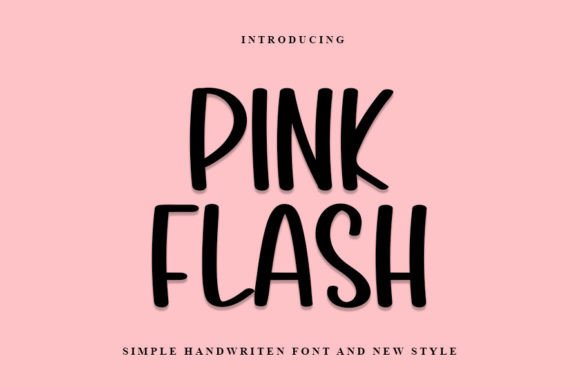
Pink Flash has a playful yet legible style that feels like it was drawn with a soft pencil and a gentle hand. The curves are smooth, the strokes are consistent, and there’s a subtle imperfection that gives it character. It doesn’t shout, but it does whisper, “I’m here to add a little magic.” This font isn’t about being bold or dramatic—it’s about feeling approachable and authentic.
When I tested it on a logo concept, it immediately brought a sense of intimacy to the design. The font’s natural flow made it feel like it belonged in a handmade shop or a small artisanal brand. It’s not the kind of font you’d use for a high-stakes corporate identity, but for a creative project that needs a human touch, it’s perfect.
Testing Pink Flash in Real Branding Work
I used Pink Flash in a variety of branding assets—logo drafts, business cards, packaging mockups, website headers, and social media layouts. On a business card, it added a friendly, personal flair that stood out from more rigid typefaces. In a packaging design for a skincare line, it gave the product labels a handmade quality that felt trustworthy and unique.
On a website header, it worked well as a display font, especially when paired with a clean sans serif. The contrast helped create visual interest without overwhelming the reader. In social media graphics, it caught the eye and felt right at home in a post that needed a little personality.
Where Pink Flash Shines
Pink Flash is best suited for display and headline work. It’s not designed for long paragraphs or small text sizes, where its subtleties might get lost. But as a logo font, accent font, or decorative element, it excels. It’s ideal for short phrases, taglines, and anything that needs to feel expressive and creative.
For example, when I placed it on a shop sign, it felt like it was meant to be there. The font’s fluidity matched the casual vibe of the store, and it didn’t clash with the other design elements. On a product label, it added a layer of authenticity that made the brand feel more connected to its audience.
Limitations and Considerations
That said, Pink Flash isn’t a one-size-fits-all solution. In a project that required a more formal tone, it didn’t fit. When I tried using it in a commercial setting with long body text, it became hard to read. It also didn’t pair well with other highly ornate scripts, which could lead to a cluttered look.
It’s important to test it in different contexts before finalizing any design. Try it at various sizes, on different backgrounds, and alongside other fonts to see how it performs. If you’re working on a project that needs clarity and professionalism, you may want to consider a more structured typeface.
Pairing Tips and Font Pairing Advice
When pairing Pink Flash with other fonts, a simple sans serif or serif can help balance its whimsical nature. For a modern twist, try pairing it with a clean, geometric sans serif. For a more traditional feel, a classic serif can provide a nice contrast. The key is to let Pink Flash stand out without competing with the other elements.
If you’re working on a brand identity system, consider using Pink Flash as a secondary typeface. Use it for headings, logos, or accents, and rely on a more neutral font for body text. This keeps the design cohesive while still allowing the personality of Pink Flash to shine through.
Practical Guidance for Designers
Before using Pink Flash in client work, always check the commercial licensing. Make sure you have the right to use it in all the intended applications—whether it’s for print, digital, or merchandise. Some fonts come with restrictions that can limit your creative freedom, so it’s worth double-checking.
Also, take time to explore the font’s features. Many premium fonts include alternate characters, ligatures, and swashes that can add depth and variation to your designs. Experiment with these to find the best way to incorporate Pink Flash into your projects.
Ultimately, Pink Flash is a great choice for designers looking to add a touch of warmth and personality to their work. It’s not the most technical or minimalist font, but it’s exactly what you need when you want to make a design feel more human. Whether you’re working on a café brand, a handmade shop, or a creative studio identity, this font can help bring your vision to life with a little extra charm.